 Insider · Europa Wire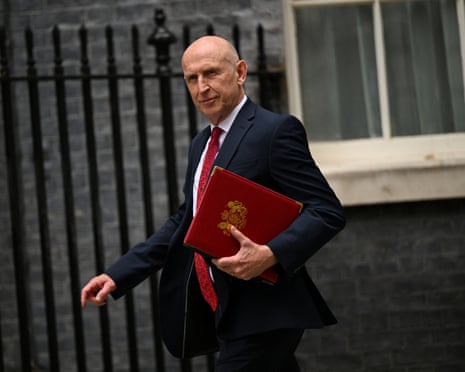
The chancellor has indicated that the UK will face a tough budget next month due to the Middle East war. In an interview with the Financial Times, John Healey said the conflict in Iran would likely influence his first budget on 28 October. Healey, who succeeded Rachel Reeves after Andy Burnham became prime minister in July, said he wanted to ensure the country had a robust ‘buffer against uncertainty’ amid increasing global instability.
Economists predict Healey will need to raise taxes or implement significant cost-cutting measures to protect the £24bn fiscal headroom Reeves had after her March statement. Healey stated, ‘What’s happening in the Middle East is hitting inflation, growth, and borrowing costs. It’s part of a more dangerous world that is more uncertain and one of the challenges we have to meet in this country, but have to meet with other countries.’ He declined to specify how much fiscal headroom he aimed for but insisted he and Burnham were aligned in their determination to meet fiscal rules.
The newspaper reported Healey planned to stick to Labour’s 2024 manifesto pledges, not raising taxes on working people, such as income tax, national insurance contributions, or VAT, and not increasing corporation tax. However, he faced criticism for failing to commit to raising defence spending to 3% of GDP by 2030. In June, he resigned as defence secretary due to Treasury resistance to the target, seen as a blow to Keir Starmer’s government.
Healey acknowledged tough economic conditions, stating, ‘The country’s under pressure. People are under pressure with the cost of living. Households are feeling that. We’re concerned about the cost of living, and we’re concerned about the cost of business.’ He also committed to cutting the welfare bill, saying, ‘We must cut the cost of welfare, get more people back into work. I know some decisions I must take will show benefits in years to come.’
Jim O’Neill, a cross-bench peer and economist advising Burnham, suggested Burnham could reassure bond markets by taking credible actions to rein in welfare spending and pensions. Reform UK proposed cutting £80bn in public spending within five years by reducing welfare payments, net zero investment, and overseas aid. Robert Jenrick, the party’s economic spokesperson, also pledged to reduce civil servants.
The triple lock, introduced in 2010, ensures state pension increases align with inflation, average wage growth, or 2.5%—whichever is highest. This has increased the state pension bill by about £16bn. Jonathan Cribb, deputy director of the Institute for Fiscal Studies, suggested an Australian-style system where state pensions increase with workers’ earnings, including a temporary lock to safeguard against wage declines during recession or high inflation.
Skip past newsletter promotions after repeated newsletter promotions.
Source: The Guardian